


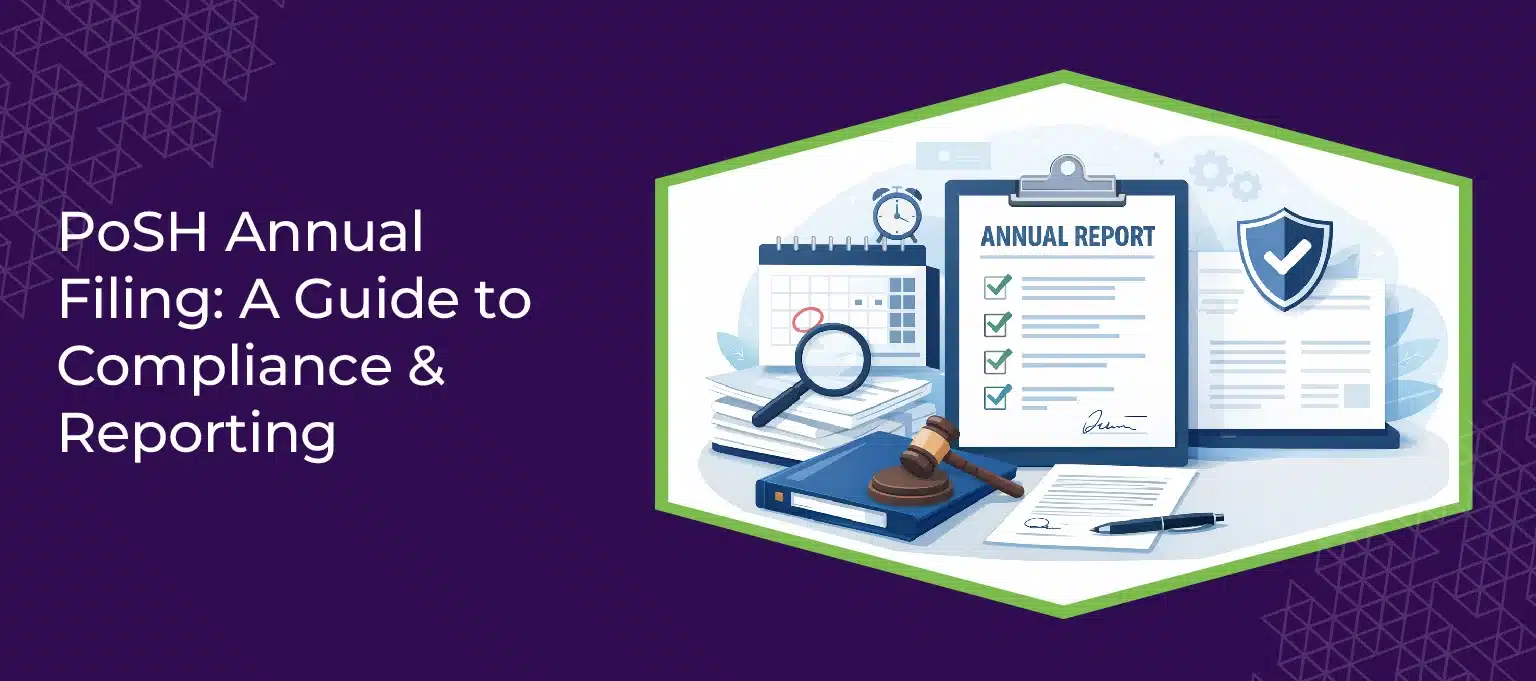
31 Dec PoSH ICC Annual Report Filing: A Guide to Compliance & Reporting
Under the Sexual Harassment of Women at Workplace (Prevention, Prohibition and Redressal) Act, 2013, annual filing is mandatory. Organisations with ICC formed as per the Act (those organisations with 10 or more employees) must ensure an annual report is prepared by the Internal Complaints Committee (ICC/IC) and submitted to the employer and the district officer as specified. Timely and accurate PoSH compliance filing not just helps the employer meet legal duties but also indicates the organisation is committed to preventing sexual harassment.
Failure to file or inaccurate filing may lead to penalties, including fines and, for repeated non-compliance, actions such as suspension or cancellation of business licence.
A] What Is PoSH Annual Filing?
PoSH annual filing refers to the mandatory submission of the annual report by the Internal Complaints Committee (ICC) under Section 21 of the PoSH Act, 2013, read with Rule 14(d). This report summarises key details such as the number of complaints received, disposed off, and pending for more than 90 days, plus the nature of action(s) taken upon receipt of complaint(s) and details of employee sensitisation trainings and ICC skill-building & orientation conducted during the calendar year. The ICC prepares the report and provides it to both the employer and district officer. The ICC submits this report either physically to the local district office or through designated online channels, where available. As per the recent administrative mandate, all organisations (public and private) should also submit via the SHe-Box portal for better transparency and tracking.
Ensure Timely & Accurate PoSH Filing
B] Which Organisations Must File PoSH Annual Reports?
Organisations with 10 or more employees must constitute an Internal Complaints Committee (ICC) and file the annual report under Section 21 of the PoSH Act. This includes private limited companies, listed companies, NGOs, trusts, societies, limited liability partnerships (LLPs), PSUs, partnerships, and other entities meeting the employee threshold.
C] What Information Is Included in the PoSH Annual Report?
The PoSH annual report (Annexe II, Rule 14) should include:
- number of complaints of sexual harassment received during the calendar year.
- complaints disposed off after inquiry.
- pending complaints, including those delayed beyond 90 days (with reasons).
- number of awareness workshops/training initiatives conducted for employees
- number of awareness workshops/training initiatives conducted for ICC Members
- nature of action taken by the employer or District Officer.
Awareness initiatives include instructor-led sensitisation sessions, scalable e-learning solutions, Internal Complaints Committee capacity building, and PoSH policy communication, which are mandatory for demonstrating proactive compliance.
Following a structured training calendar is essential; read more in our blog on staying compliant and safe: PoSH training and policy updates.
Latest Disclosure Requirements (2025)
In May 2025, the Ministry of Corporate Affairs notified the Companies (Accounts) Second Amendment Rules, 2025, making PoSH reporting a core board-level disclosure for most Indian companies. Previously, detailed PoSH disclosure in the Board’s Report under Rule 8(5)(x) applied mainly to listed or large companies, leaving many unlisted and MSME entities outside formal reporting.
With the amended rules (effective 14 July 2025), every company other than One Person Companies (OPCs) and Small Companies must now disclose in its Board’s Report (via revised e-Form AOC‑4): number of sexual harassment complaints received, disposed of, and pending beyond 90 days, along with a confirmation that a compliant Internal Committee has been constituted.
D] When and Where to File the PoSH Annual Report?
Under Section 21 of the PoSH Act, the PoSH annual report must be filed after the calendar year is completed. Because the report summarises the Internal Complaints Committee’s activity from 1st January to 31st December, organisations are generally expected to compile and submit it by 31st January or as per local district officer/state notification. Some states may order additional timelines or formats, so employers should review local guidelines issued by district officers or State Women and Child Development (WCD) Departments. The Annual Report must be submitted to the district officer designated under the Act. In states where the District Officer has not been appointed, organisations may submit the mandatory annual report to the Chief Minister’s office and the Women and Child Development Department/Ministry as a safeguard.
In addition to filing with the district officer, organisations must also submit the annual report via the SHe-Box portal to ensure complete compliance with recent transparency mandates. For organisations with offices across multiple districts, the report must be filed separately in each district where an ICC is constituted, ensuring full compliance across all locations.
E] Consequences of Non-Compliance or Late Filing
- PoSH Act and Companies Act Penalties
Failure to file the PoSH annual report on time or comply with the PoSH Act can result in fines up to ₹50,000 for late submission, improper ICC constitution, or neglect of duties under Section 26. Repeated violations may lead to increased fines and cancellation of licences or registrations. The Companies (Accounts) Second Amendment Rules, 2025, require organisations to disclose PoSH compliance in annual board reports, with penalties for failure or false disclosures. - Reputational and Operational Risks
Non-compliance results in organisations undergoing reputational harm, a decline in employee trust, and disturbance in operations arising from escalated complaints or external inquiries, influencing workplace morale and productivity. - ICC Confidentiality Penalties
ICC members also have strict obligations to maintain confidentiality; any breach, such as sharing details of complaints as well as inquiry proceedings, may attract penalties under section 16 of the PoSH Act and removal from the committee, undermining organisational integrity and trust.
F] Best Practices for Efficient PoSH Annual Filing
Organisations can streamline their PoSH annual filing process by focusing on these core practices:
- Record Maintenance: Organisations must maintain accurate records of complaints, inquiries, actions taken, and training activities throughout the year under Section 21 and Rule 12 of the PoSH Rules, 2013, for annual reporting.
- Timelines and Preparation: Scheduling internal timelines before the typical January 31 deadline (for the prior calendar year) to collect data from HR, ICC, and departments is standard practice.
- Report Review and Filing: Involving ICC members ensures accuracy and transparency; digital platforms like SHe-Box (increasingly used/enabled for certain organisations for complaints and annual reporting) complement physical submissions to district officers for proof.
- Audits and Training: Periodic PoSH audits identify gaps in policy, training, and redressal, while regular PoSH training for ICC and employees supports timely, compliant reporting.
Get Expert PoSH Compliance Support
Conclusion
PoSH annual filing is beyond a statutory requirement; it shows an organisation’s commitment to workplace safety, accountability, and transparency. By maintaining accurate records, following timelines, and strengthening IC functioning through training and audits, employers can ensure smooth compliance while fostering trust and confidence among employees. A proactive approach not only minimises legal risks but also reinforces a culture of respect and zero tolerance for sexual harassment.
Complykaro supports organisations with end-to-end PoSH compliance and consultancy, documentation, employee training and ICC training to simplify annual reporting. Contact us to strengthen your PoSH processes and build a safer, compliant workplace.

Mr. Vishal Kedia
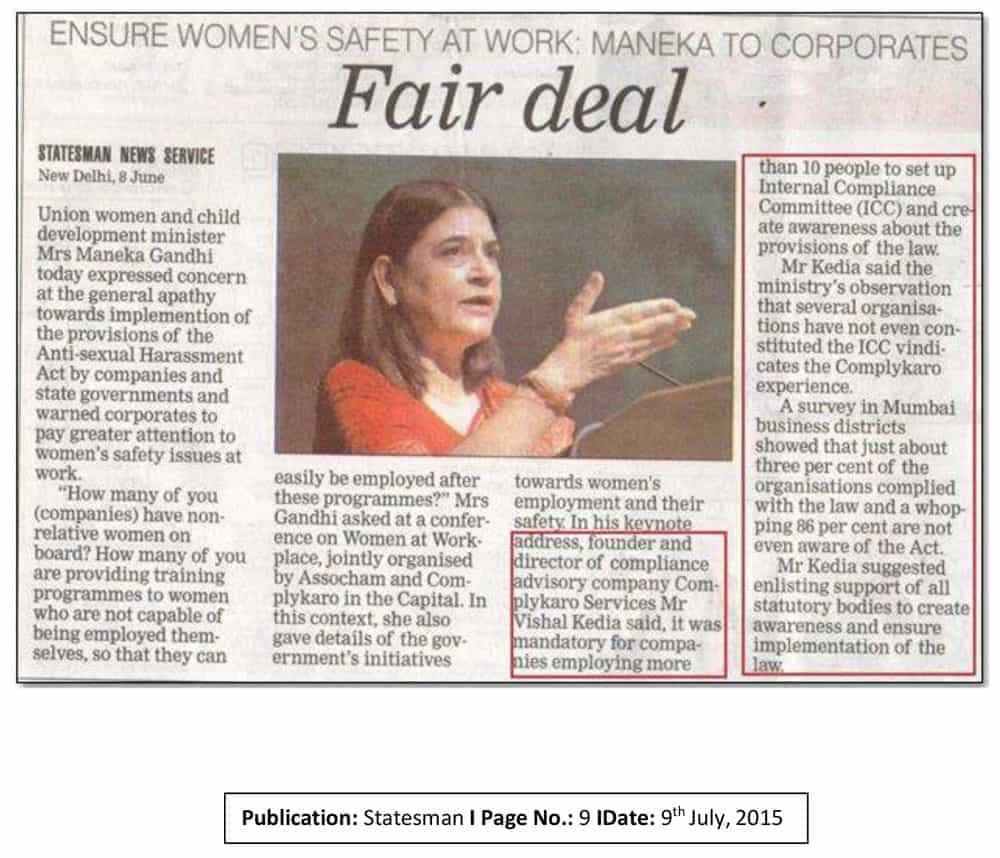
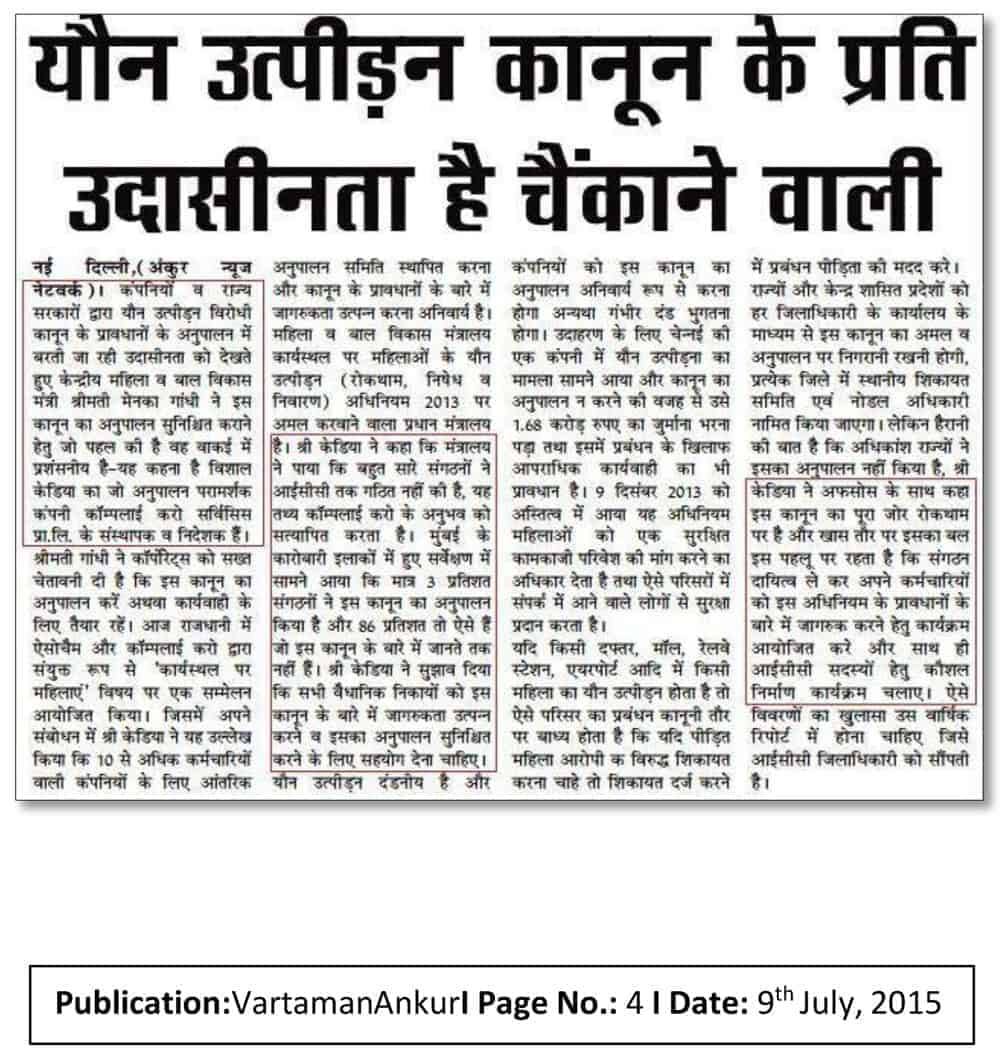
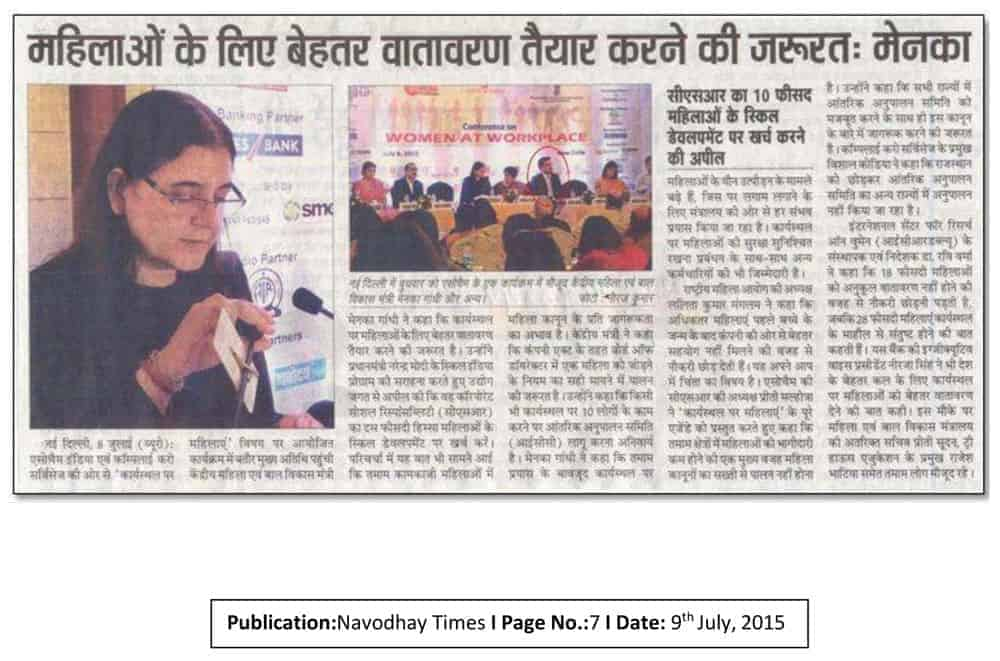
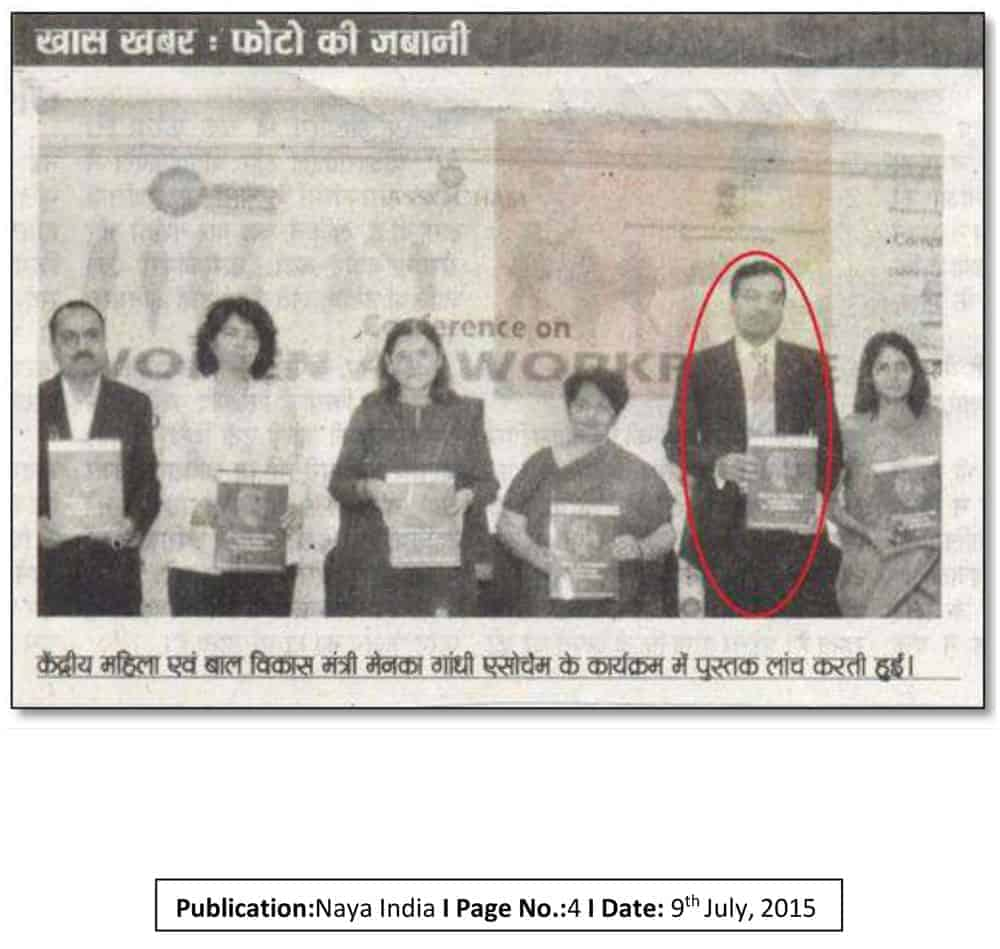
Mr. Vishal Kedia, Founder & Director of Complykaro, is a renowned PoSH trainer, subject-matter expert and thought-leader in workplace safety and PoSH compliance. A distinguished speaker at leading forums including NCW, ASSOCHAM, NASSCOM, ICAI, ICSI and RAI, he has trained over 40,000 ICC members and lakhs of employees across Corporate India. Recognised with numerous awards over the years such as the Global Diversity & Inclusion Leadership Award, 101 Top Global Diversity & Inclusion Leaders, The Achiever's Award etc., Vishal leads Complykaro which is ISO certified and also empanelled by the Ministry of Women & Child Development, Govt. of India for providing PoSH trainings.
 Rishab is a seasoned professional with over 10 years of invaluable hands-on experience in client-facing roles that span his career. His expertise lies in cultivating successful strategic partnerships that benefit all stakeholders. With a keen aptitude for organizational management, Rishab excels at fostering enduring client relationships. His dedication centers around enhancing Complykaro’s visibility and brand esteem. At Complykaro, Rishab spearheads pivotal responsibilities, including business development, strategic planning, and operational excellence.

No Comments